
Calling an insurance adjuster in Atlanta of your own, a public adjuster, is a good way to make sure you receive everything your homeowners policy owes after a fire, a storm, a burst pipe or another disaster. Public adjusters inspect the damage, review your policy and negotiate with the insurance company, so nothing is overlooked and you know whether the settlement you’re offered is fair.
What a public adjuster doesn’t do, however, is repair your home! They are not your contractor or your restoration company, and the work of drying out, cleaning up and rebuilding falls to the professionals you hire. Whether you’re dealing with a tree through the roof after a summer thunderstorm, a frozen pipe that burst during a cold snap, a kitchen fire or a break-in, here are some suggestions on how to keep the damage from getting worse and get your home back to the way it was.
Documenting Evidence for Your Atlanta Insurance Adjuster
Your safety and that of your family and pets comes first, so keep everyone away from a flooded area, a fire-damaged or storm-damaged room, downed power lines and the like. It can even help to send the kids to the grandparents or elsewhere and board the pets while you get through the worst of it. Not only will they be safer away from the damage, but you’ll also get through the cleanup more easily.
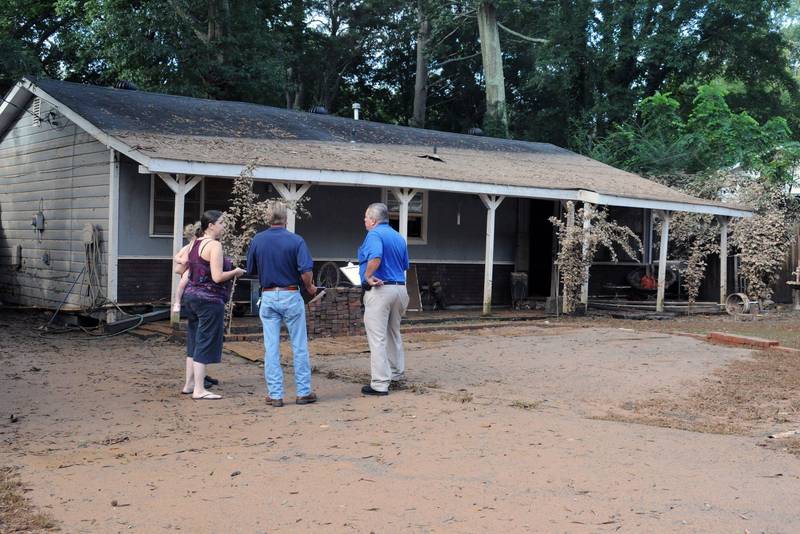
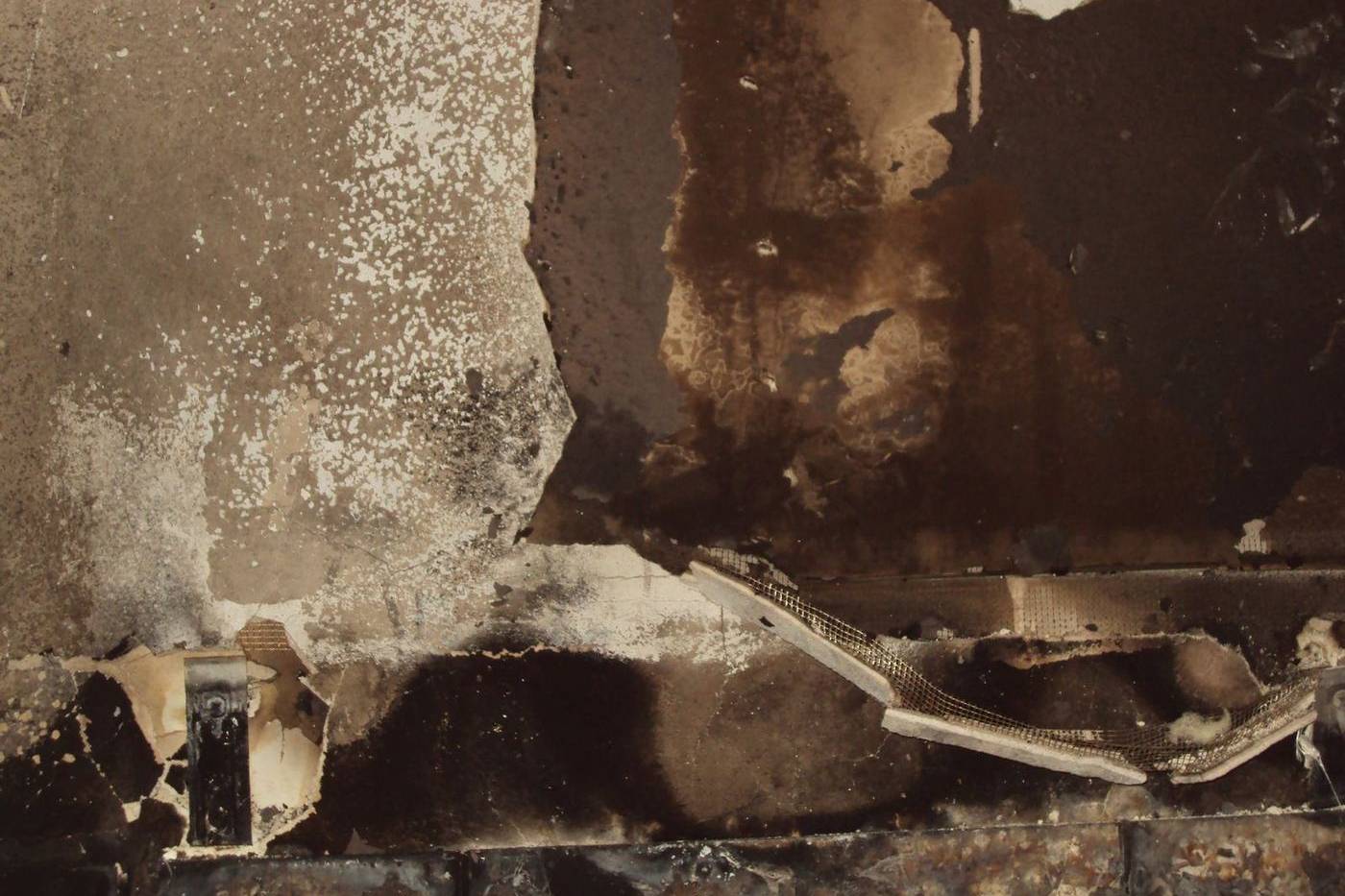
Once it’s safe to go inside, document as much as you can for your public adjuster before anything is cleaned up or thrown away. Take photos and video of every damaged room and of your damaged belongings, and don’t neglect what might seem like minor damage, such as smoke stains, water lines on walls or damp upholstered furniture.
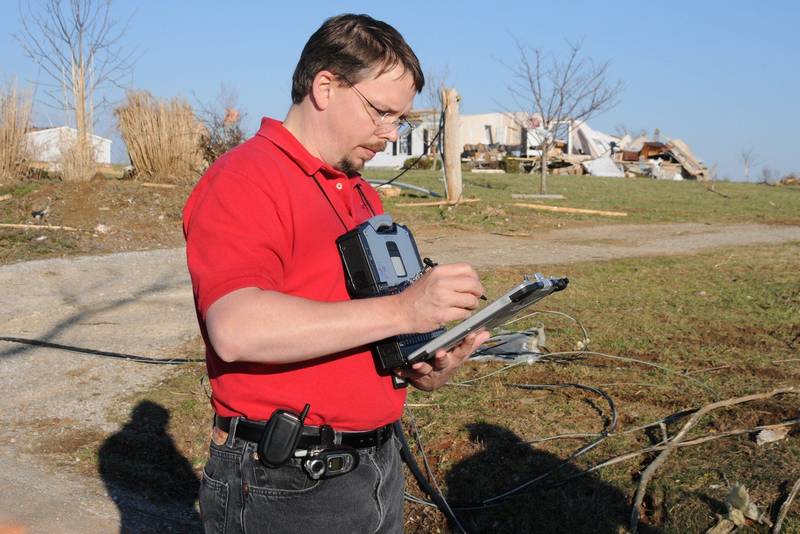
Your Atlanta public adjuster will also want to inspect the damage in person, which is another reason not to start permanent repairs or throw out damaged materials before they arrive. Your adjuster needs to record the extent of the damage, everything that was damaged including your personal belongings, and the cleaning and restoration needed to repair your home properly.
What Cleaning to Do, and What to Avoid After a Disaster
Once the damage has been documented, it’s time for cleanup and repairs! A small spill might be handled with a rented wet-dry vacuum and a professional carpet cleaning. After a small stove top fire, you might only need a new stove and range hood, or new upper cabinets. However, it’s vital to know what work is best left to a water or fire damage restoration company.
For example, a larger house fire, or a tree falling on the house, can damage load-bearing walls and beams. Without proper repairs, a ceiling or doorway might collapse and injure someone, or your home might settle and shift, cracking walls, floors and ceilings. If you’re not sure which walls and beams in your home are load-bearing, leave the work to the pros.
Fire damage restoration is also harder than most homeowners realize, as soot and ash don’t come up with a household vacuum cleaner. It’s easy to scatter the residue so it floats through the air and settles in other rooms. Soot and ash also cling to hair and clothes, which carry them through the rest of the house.
Drywall and wood framing also absorb water quickly, so a large water loss often damages studs and joists, softens drywall and ruins subflooring. In Atlanta’s humid climate, trapped moisture can quickly lead to mold behind walls or on the face of the drywall. Water-damaged wood also weakens and can cup, bow or split, so that the home settles and cracks form.
Remember, too, that floodwater often carries sewage, sediment and other debris. Trying to remove it or clean the surfaces it touched yourself, without protective equipment and proper cleaners, can be a serious health risk! You might also end up with lingering odors, or make stains worse by spreading dirty water around.
To avoid these risks, call a water damage restoration company after a water loss. Never assume walls and floors will simply dry out, or cover up a musty smell with air fresheners and candles; protect your home from long-term damage and mold with professional drying and repairs. Your Atlanta public adjuster can tell you whether your policy covers that work.
Your Atlanta Public Adjuster and Your Insurance Company
Another part of getting your home and life back in order is dealing with your insurance company, which is now your public adjuster’s job! It helps to know what they’re doing behind the scenes while you’re restoring your home, so you know how long a settlement might take and what to expect along the way.
Your public adjuster documents the damage and estimates what the repairs will cost, and may need time to research those costs before responding to the insurance company’s offer. They also review your policy for what it covers, any exclusions, and its limits.
Sometimes your adjuster may have to deliver bad news: that some property isn’t covered, or that the insurance company is right to deny part of your claim. For instance, damage from wear and tear, neglect or a long-term leak is usually excluded, and so is flooding unless you have a flood policy. And if your insurance company is already offering the full limit of your coverage, there may be nothing more to negotiate!
In many cases, though, your public adjuster in Atlanta can find costs the insurance company’s first offer left out, or that you might overlook. These can include cleanup and restoration, replacing your personal belongings, the cost of staying in a hotel or rental while your home is repaired, odor removal and so on. To get a fair settlement, work closely with your public adjuster while you go through the cleanup and restoration.