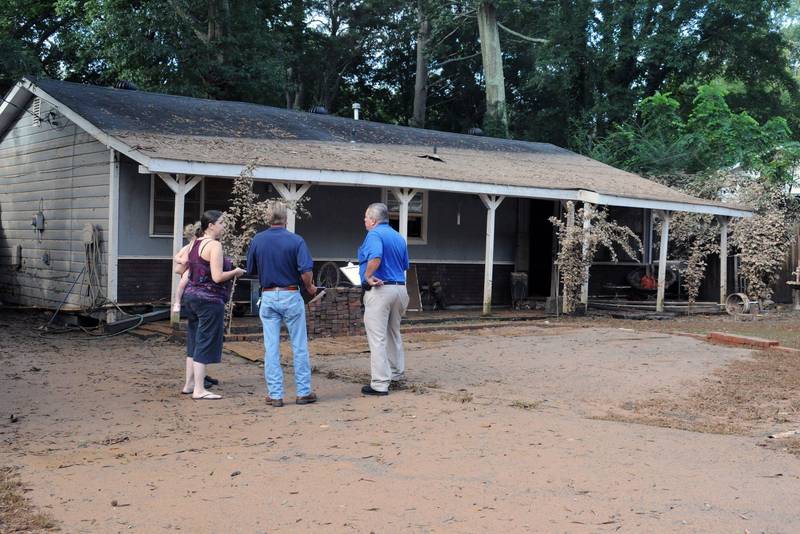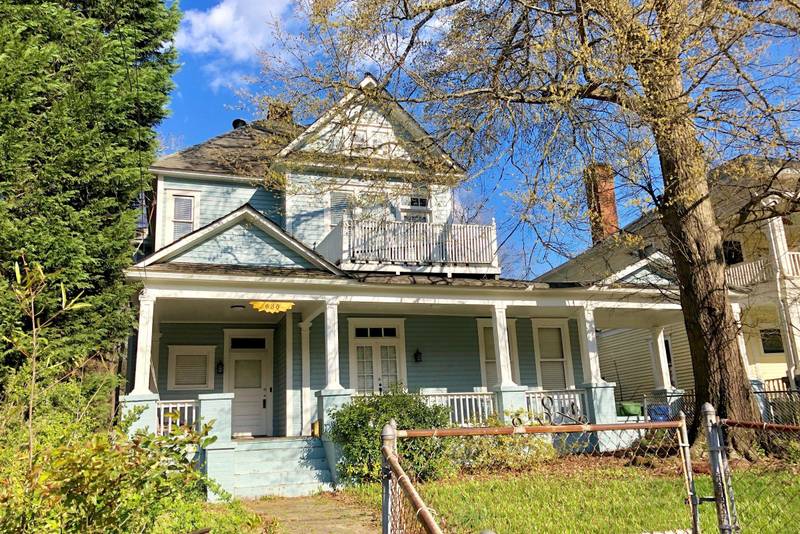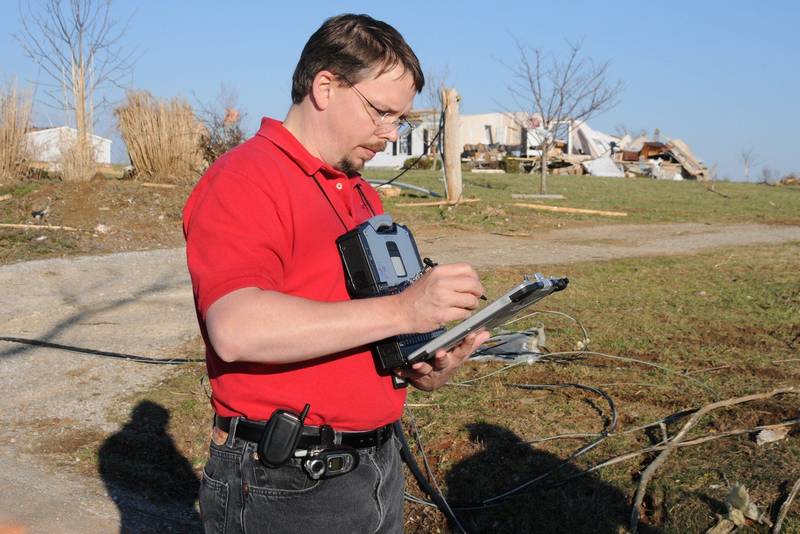

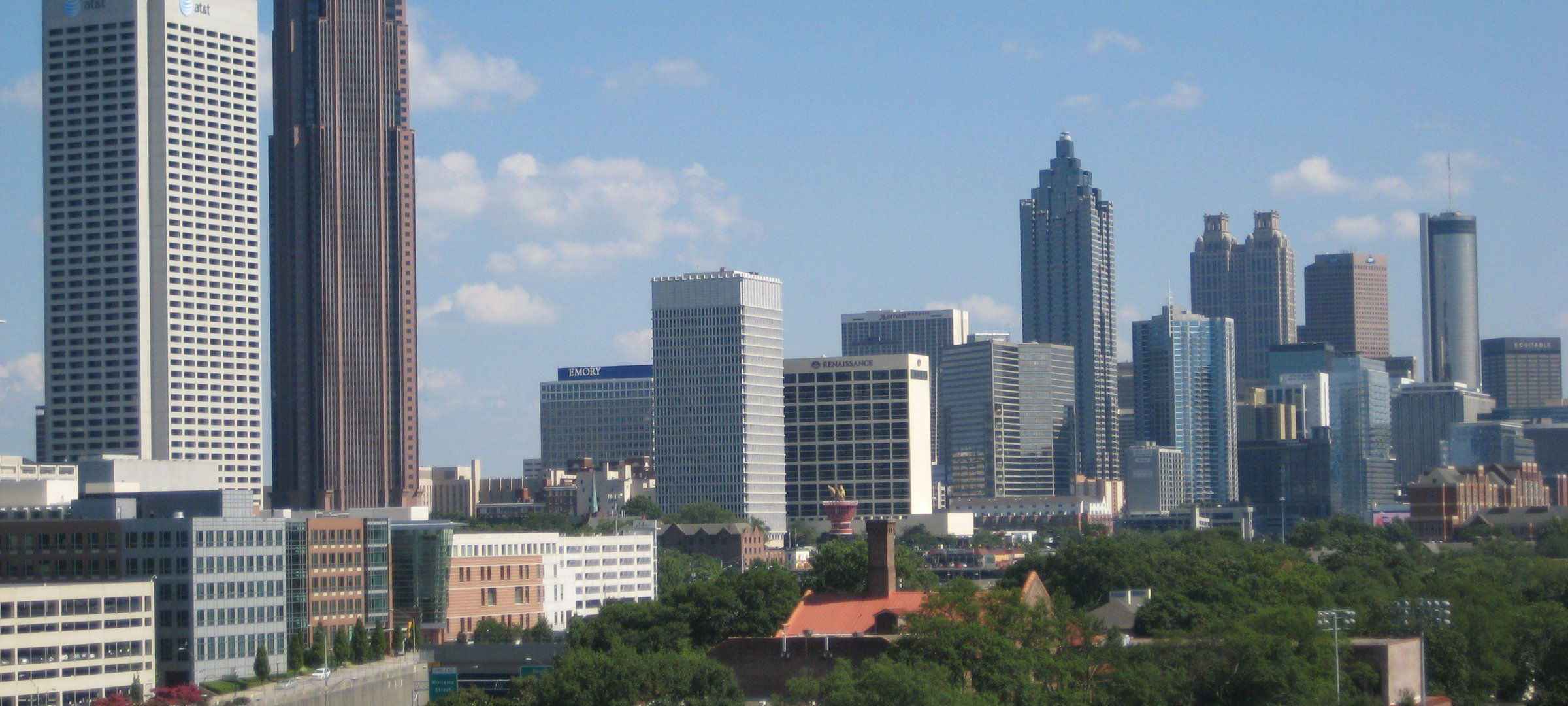
A public adjuster is an independent, licensed insurance professional who works for the policyholder, preparing the claim and negotiating the settlement with the insurance company. For metro Atlanta homeowners and business owners, hiring one can be a good way to make sure you receive everything your policy owes after a fire, a storm, a fallen tree or a burst pipe.
Most public adjusters charge a percentage of the insurance payments on your claim, agreed in a written contract before they start. In Georgia, the Office of Commissioner of Insurance and Safety Fire warns that a public adjuster may charge up to 33 percent of the claim settlement. Georgia also requires the contract to be on a form the Commissioner has approved, and gives you three business days after signing to cancel it in writing. Because the adjuster is paid from what they recover, they have every reason to work for a full and fair settlement.
While some homeowners might balk at giving up part of their settlement, it helps to know what a public adjuster does, how they can increase what the insurance company pays, and why they’re often worth their fee. It also helps to know a few common mistakes homeowners make after property damage and in dealing with an insurance company, so you can avoid them yourself!
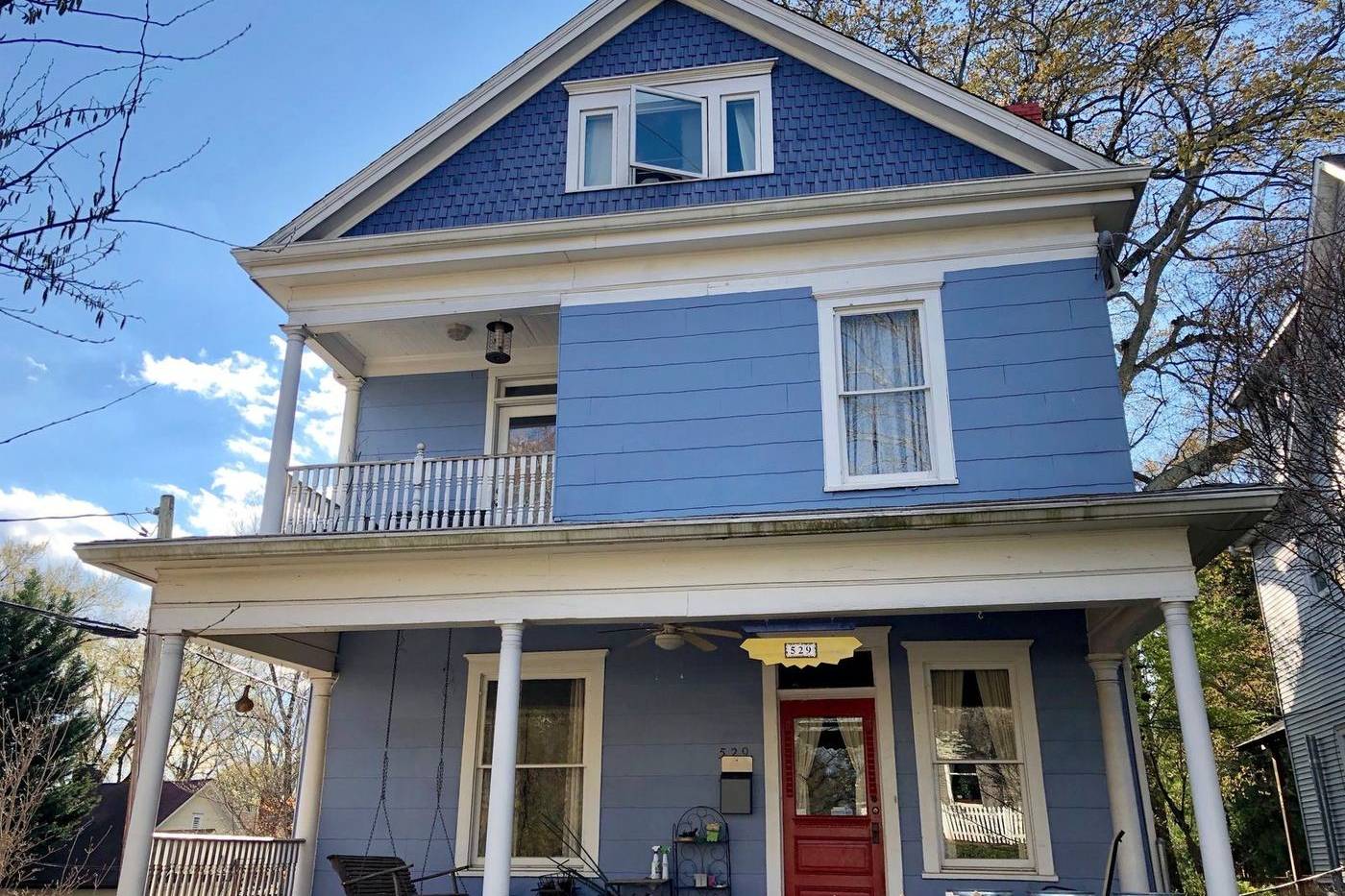
Consider, too, that many public adjusters offer a free consultation, so you can ask any questions you have about the claim and their work for you before you sign anything. You can then make an informed decision about hiring one, knowing you’ve done what you can to get a fair settlement from your insurance company.
When to Hire a Public Adjuster and Why Their Fees Are Worth It!
It’s every property owner’s decision when to hire a public adjuster, but here are some situations that suggest it’s time to call one, and why their work for you is so valuable.
- When a fire or water damages building materials, appliances, electronics and belongings so badly that they need replacing rather than cleaning and repair, consider calling a public adjuster. New items often cost more than repairs, and an insurance company might resist paying for replacements.
- A public adjuster works to get you everything your policy owes, but can also explain why you might not receive the full replacement cost you expect. For example, a stove top fire might destroy your stove; if your policy pays actual cash value, or holds back depreciation until you replace it, you might first receive what a several-year-old stove was worth rather than the price of a brand new one!
- Fires and water losses often need professional cleanup and repairs. Soot and ash need specialized equipment to remove properly, and water-damaged drywall, flooring and framing need inspection and often replacement. A public adjuster can negotiate with an insurance company that hesitates to pay for that professional work.
- Proper restoration after a fire or water loss might also mean odor removal, fresh paint and other work, including mold remediation where the policy covers it. Your insurance company might say some of that work is not part of the repair, and a public adjuster can negotiate to have it included where the policy allows.
- Homeowners often have trouble listing and valuing personal belongings destroyed in a fire or water loss, including clothing, furniture, artwork, small electronics and appliances. A public adjuster can help make sure you’ve included everything and explain how to value each item in the claim.
- In some cases it’s best for a family to stay out of the home during repairs. A public adjuster can check whether your policy’s additional living expense, or loss of use, coverage pays for a hotel or rental and the extra costs of living elsewhere, and make sure they’re included in your claim.
- Some homeowners and business owners have complicated policies with endorsements, exclusions and conditions. If you don’t understand your policy, call a public adjuster! Reviewing the policy is one of the first things they do, and they can explain what it means for your claim.
- A homeowner might overestimate a loss or overlook an exclusion, but if you think your insurance company is offering a lowball settlement, call a public adjuster. They can review the offer, your policy and the damage, and tell you whether it’s worth negotiating.
Avoid These Mistakes After a Fire, Storm, or Other Disaster!
Hiring a public adjuster is one of the best things you can do after a fire, storm or other disaster. One mistake homeowners make, however, is throwing out damaged materials or starting permanent repairs before the damage has been documented. Your public adjuster needs to see and record the full extent of the damage to price it and negotiate with the insurance company.
That doesn’t mean waiting to protect your property. Your policy expects you to take reasonable steps to prevent more damage, so shut off the water, have a tree removed from the roof and the roof tarped, and get standing water extracted. Photograph everything first, keep the damaged items if you safely can, and keep every receipt, as those emergency costs are often part of the claim.
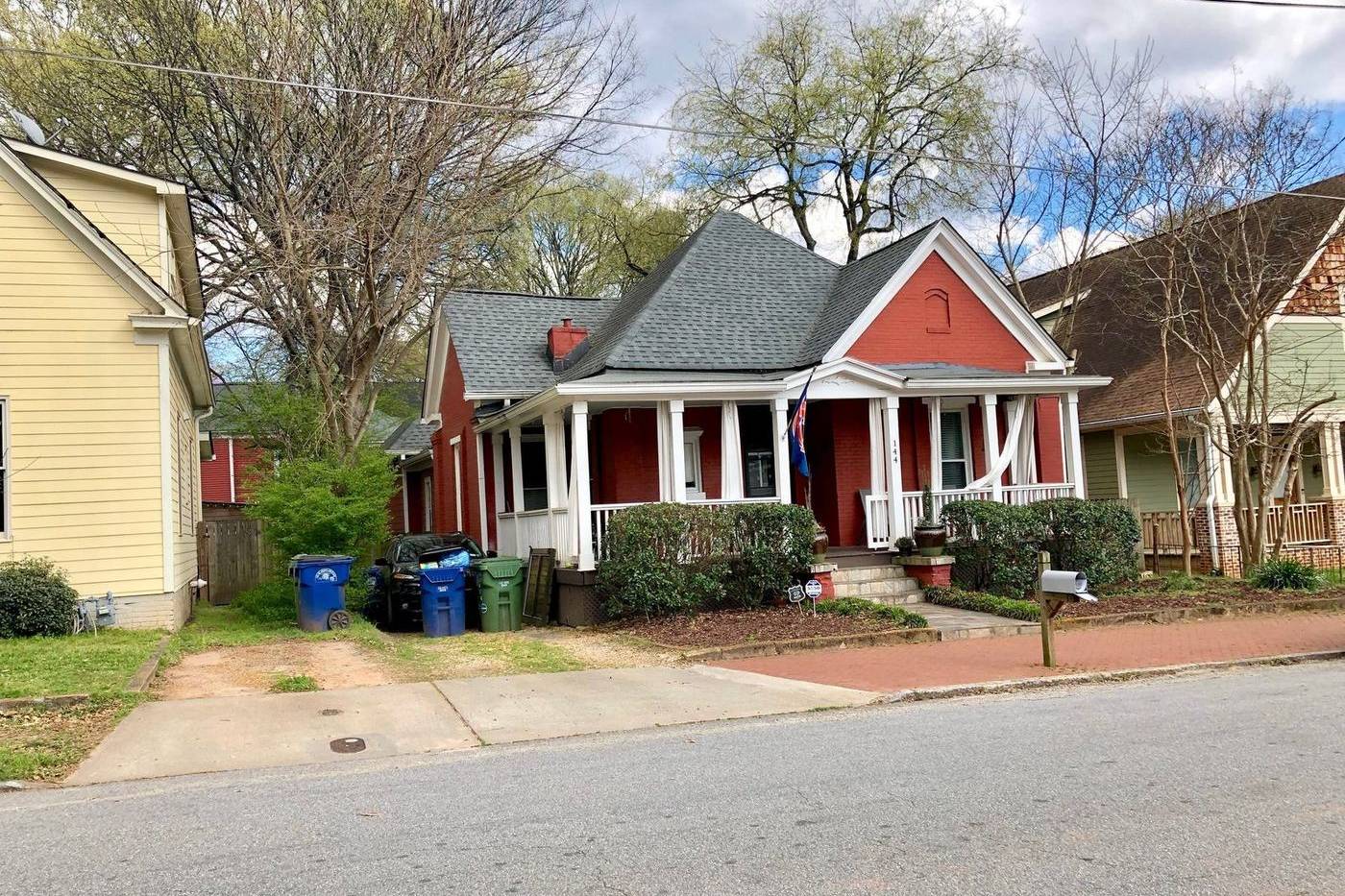
Homeowners should also understand that a public adjuster will work hard to get them every benefit they’re owed, but that doesn’t mean they will collect the full limits of your policy. As said, your policy might pay the depreciated value of items rather than the cost of new ones, or have exclusions you’re overlooking. Avoid overspending on new items or other purchases while your adjuster is negotiating with the insurance company, in case the final settlement is less than you hoped.
While you might be eager to get back into your home after a disaster, don’t assume you can or should do the cleanup and repairs yourself. Damaged homes are sometimes unsafe to occupy, and breathing in soot, ash, dust and other airborne contaminants is downright hazardous to your health! Consider hiring a professional water or fire restoration company to make sure your home is safe to live in again; your public adjuster can tell you whether your policy covers their work.
How to Find a Public Adjuster Near You
To choose a public adjuster near you, look for one who holds a Georgia public adjuster license and has experience with your type of property damage, whether that’s fire, storm and hail, fallen trees, water damage, vandalism or theft. You can check a license on the website of the Georgia Office of Commissioner of Insurance and Safety Fire.
A good public adjuster will ask lots of questions, so don’t be put off by one who wants to know how a fire or leak started, whether your policy is in good standing, and so on. These are not accusations; the answers let them do their job properly and build the strongest claim they can.
Georgia law limits how a public adjuster is paid, and the fee should be written into a contract on a Commissioner-approved form. Their fee should come out of each insurance payment as a percentage of that check, not all at once out of the first check. And if your insurance company pays, or commits in writing to pay, your policy limits within 72 hours of a loss being reported, Georgia does not allow a public adjuster to take a percentage fee on that payment. Read any contract carefully before you sign it, make sure you understand the percentage and what it applies to, and be wary of an adjuster who asks for a large fee up front.
Other Advantages of Hiring a Public Adjuster
After property damage, knowing your public adjuster will work hard to get you a full and fair settlement is usually reason enough to hire one! However, there are other benefits to working with a public adjuster.
One is that they take on the stress of filing a claim and negotiating with your insurer. Whether you’ve been through a major disaster or something as frightening as a stove top fire or a tree through the roof in a summer thunderstorm, you’re no doubt feeling plenty of stress already! Your time and attention should go to getting your property and life back in order, not to calls and emails with the insurance company.
A public adjuster is also an experienced insurance professional who knows policy clauses, exclusions and conditions. Rather than trying to make sense of your policy on your own, hiring an adjuster puts that knowledge at your fingertips. Whatever questions you have about your policy and how it affects your claim, an experienced public adjuster can answer them!
Keep all these points in mind when you weigh what a public adjuster costs and whether it’s worth it. A public adjuster can make sure no detail is overlooked in your claim and take on the work of negotiating it, so you can rest assured that your claim is in capable hands.