
When you file a claim with your homeowners insurance company in Atlanta, you might consider hiring a public adjuster. Their work is especially valuable if you feel your insurance company is lowballing you, offering a settlement much lower than your losses.
A public adjuster works for the property owner, preparing the claim and negotiating with the insurance company for a fair settlement after a loss. Not every claim needs one, but a public adjuster can help a homeowner or business owner receive the full benefit of their policy after a fire, a storm, a fallen tree, water damage, theft, vandalism or another loss.
If you own a home, a business or commercial property in metro Atlanta, it’s important to understand the risks of dealing with the insurance company’s adjuster on your own and the benefits of having your own adjuster! While most insurance companies try to deal fairly and honestly with customers, remember that every dollar they pay in claims comes out of their own pocket.
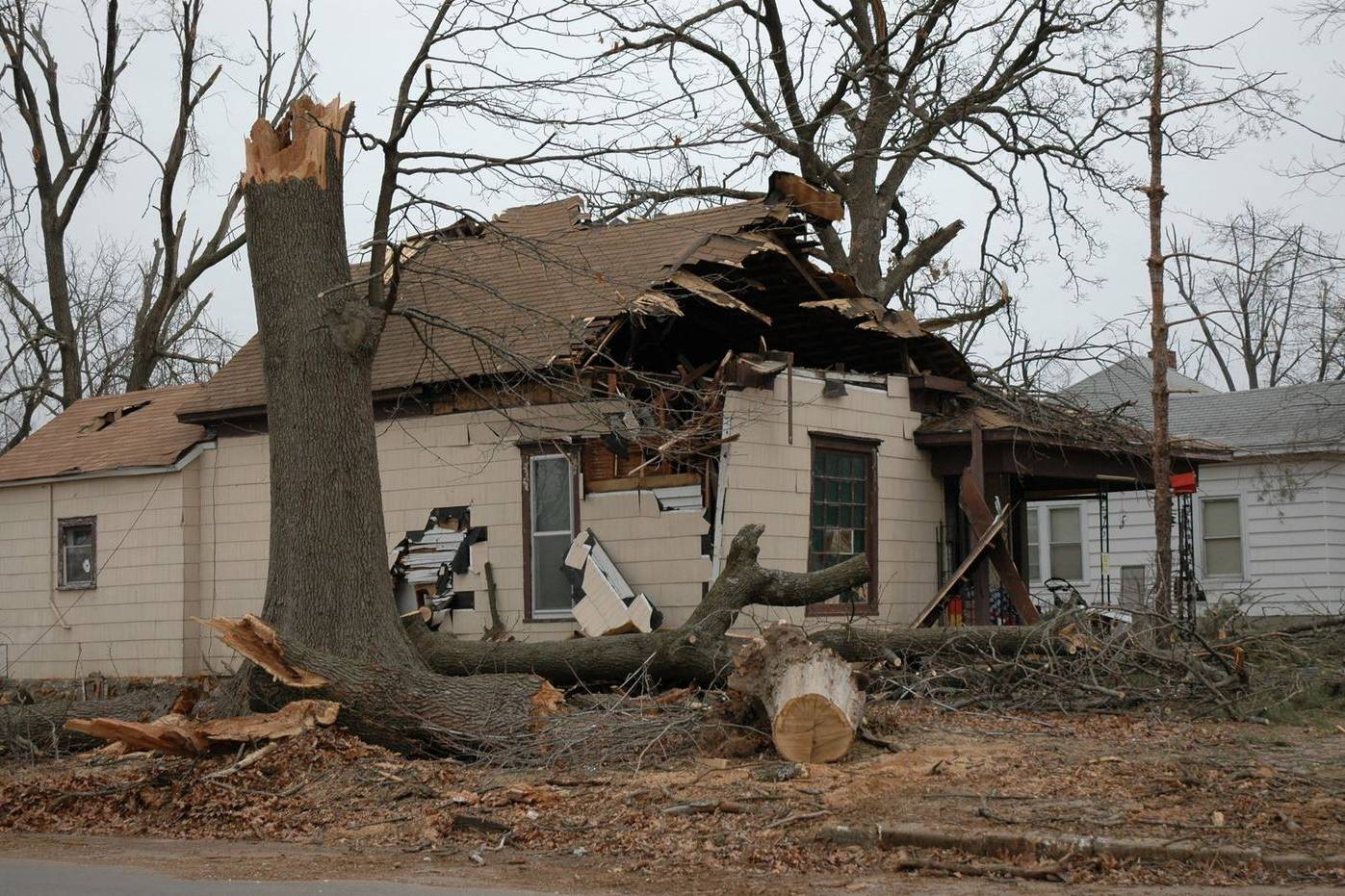
The insurance company’s adjuster works from the information the company and the policyholder give them, while a public adjuster knows the right questions to ask and what to look for, so nothing is left out of the claim. Before a storm, a falling oak or a frozen pipe leaves you with a major loss, here is some vital information about what public adjusters do and when it’s good to hire one.
What Does a Public Adjuster Do?
Start with some details about property insurance, and especially homeowners insurance and its standard coverages. Then look at the different kinds of adjusters, so you can make an informed decision when it’s time to buy a policy or file a claim.
- Mortgage lenders require homeowners insurance to protect their stake in the home, so a lender will make you carry coverage. The amount a lender asks for is not necessarily what it would cost to rebuild your home, or to replace your belongings, so check that your limits match what you would actually need.
- Make sure your policy gives you enough coverage for damage to your home, and for loss or damage to your own belongings, after a storm, a fire or another disaster. Note that a standard homeowners policy does not cover flooding from rising water: that takes a separate flood policy, from the National Flood Insurance Program or a private insurer.
- A homeowners policy typically has several parts. Dwelling coverage pays for damage to the home itself, while other structures coverage pays for structures such as a detached garage, shed or fence. Personal property coverage pays for your belongings, loss of use or additional living expense coverage pays the extra costs of living elsewhere while your home is repaired, and liability coverage protects you if someone is hurt on your property or you damage someone else’s property.
- The insurance company’s adjuster, sometimes called a staff or company adjuster, works for the insurance company to investigate and evaluate your claim on its behalf.
- Independent adjusters are hired by insurance companies on a claim-by-claim basis, often after a big storm brings in more claims than the company’s own staff can handle. They also work for the insurance company.
- Public adjusters work for property owners, preparing the claim and working to make sure the owner receives everything the policy owes after a loss.
- Public adjusters also negotiate with the insurance company throughout the claim, presenting evidence to support the property owner’s claim.
- Public adjusters are not attorneys, though they may work with attorneys who handle insurance disputes if a property owner decides to take their insurance company to court.
- Most public adjusters are paid a percentage of the insurance payments on the claim, agreed in a written contract. In Georgia, that contract must be on a form approved by the Commissioner of Insurance.
When to Hire a Public Adjuster
It’s not required, or even necessary, to hire a public adjuster every time you file a claim with your insurance company. Some claims are simple to document, and the insurance company may pay the full cost of a contractor’s repairs without much negotiation or delay.
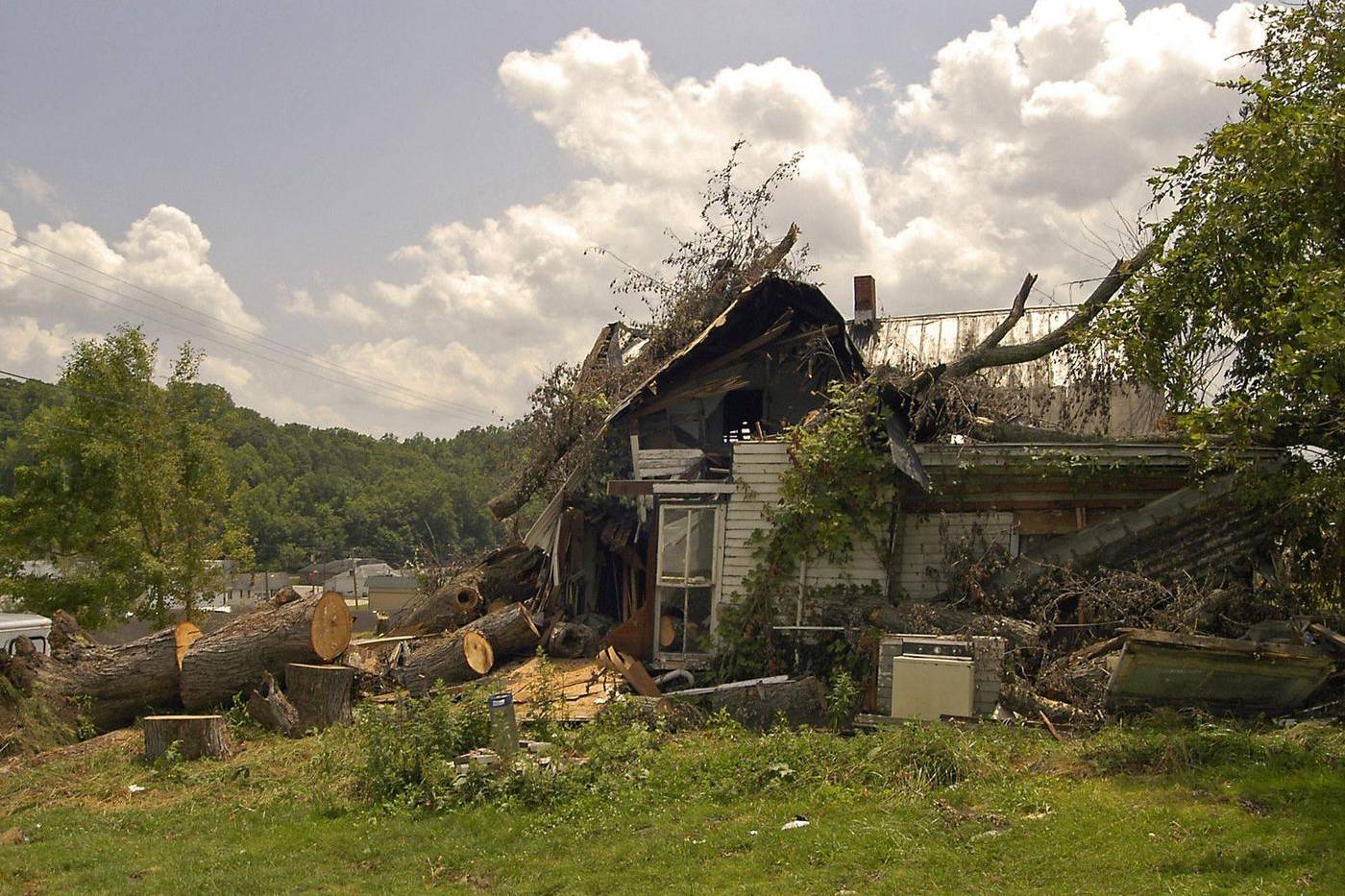
That isn’t always the case, though, and a homeowner or business owner shouldn’t feel “stuck with” the insurance company’s decision if they disagree with the amount offered or feel the company is delaying the claim. A public adjuster can put together the documentation and other proof needed to support your claim.
Public adjusters can also help with the complicated parts of many insurance policies. For instance, a business owner on Buford Highway or in downtown Marietta might need help including lost business income in a claim, and a homeowner might not know how to properly value their personal belongings. If you aren’t sure what your policy includes or struggle to understand it, a public adjuster can help you through the process.
A public adjuster also knows what repairs after serious damage involve and what they cost, which can help a claim move faster. A claim for a gate your neighbor backed into might be simple, but few homeowners know everything a house fire or a severe storm damages.
A public adjuster, on the other hand, will know that fire or storm repairs can include structural framing, carpet and the pad under it, insulation, drywall, paint, trim and so on. After roof damage from hail or a fallen tree, a homeowner might overlook the cost of tearing off the old roof and disposing of it, while a public adjuster knows to include those costs. Their experience helps make sure nothing is left out after severe damage or a catastrophic loss.
How to Find a Qualified Public Adjuster
As with contractors, be cautious about hiring a public adjuster who knocks on your door after a storm or other disaster moves through your area! After a severe storm sweeps through metro Atlanta, people going door to door may not hold a Georgia public adjuster license at all, and you might fall prey to a “take the money and run” scam.
In Georgia, public adjusters are licensed by the Office of Commissioner of Insurance and Safety Fire, which recommends checking a public adjuster’s license before you sign a contract; you can look one up on its website. Never work with a public adjuster who can’t show you a current Georgia license, as working without one is illegal; a license is also a baseline of knowledge and qualifications.
Also, a public adjuster might work with other professionals, including other adjusters. While you might prefer to have only one person on your property or one point of contact, working with several professionals is not a bad thing and can be a sign of a thorough adjuster.
For instance, another adjuster might have more experience with certain kinds of damage, such as fire or hail damage to a roof. A water damage adjuster who consults a building contractor, as another example, gets a complete picture of the damage and what the repairs will cost.
Finally, be careful with any adjuster who asks for a large fee up front. Most public adjusters are paid a percentage of what they recover for you, as said, and paying a large fee up front can leave you exposed to an unqualified adjuster or a “take the money and run” scam.